Key Points
Research suggests Bowles’s APES theory, focusing on Aging, Predation, Extinction, and Sex, may outperform the modern evolutionary synthesis in explaining aging and reproductive strategies.
It seems likely that the APES theory better accounts for programmed aging, lifespan variations based on predation defense, and male sex traits as predator attractants, challenging the modern synthesis’s dominance.
The evidence leans toward the APES theory’s son-king hypothesis for menopause, supported by historical figures like Ramses (93 children) and Genghis Khan (A large percentage of Asian males share his genes), contrasting with the grandmother hypothesis, which Bowles argues is disproven.
An unexpected detail is that the APES theory explains asexual animals in low-predation environments and homosexuality linked to prenatal stress, with studies on rats, mice, and WW2 Germany supporting this.


(Supplements/Hormones Available 90%+ OFF- Vitamin D3, Vitamin K2, DHEA, pregnenolone, melatonin, hyaluronic acid, resveratrol, don’t see it? Just ask). Did…
Abstract
A growing body of evidence challenges the conventional view that aging is merely an accidental byproduct of essential genes and metabolic processes. Instead, this paper revisits a long-overlooked 1998 hypothesis that posited aging is modular—composed of multiple, independently evolved systems that each co-opt the vulnerabilities of the last. Fresh insights are developed concerning short LARP1 (Horvath’s #1 pro-aging gene with an unusual RNA binding site on the protein) a scarcely studied nuclear lncRNA that likely truncates ATM and XP/CS mRNAs and downregulates/prevents the production of WRN by interfering with mRNA spliceosome functions. From these insights, how aging proceeds in at least four evolutionary waves is revealed. System #1 (plant-like vascular/structural decline) appears vestigial in humans, overshadowed/co-opted by Horvath’s universal epigenetic clock. System #2 centers on mitochondrial dysfunction in motile organisms. System #3, tied to advanced DNA repair and immune function, propels progeroid syndromes such as ataxia telangiectasia Cockayne syndrome, and xeroderma pigmentosum. Finally, system #4—emerging alongside sexual reproduction—dominates in Werner’s syndrome, unifying older pathways with newfound genomic instability.
In highlighting short LARP1’s proposed ability to sabotage crucial mRNA splicing leading to defective repair and structural proteins, a surprising synergy is illuminated: these sequentially-evolved senescence pathways act less like random breakdowns and more like a deliberate “orchestra” of aging. Each system is associated with one of the canonical Yamanaka factors (KLF4, Sox2, c-Myc, and Oct4), underscoring the developmental roots of senescence. Far from dismissing aging as a mere trade-off under antagonistic pleiotropy, new evidence is presented consistent with an evolutionarily conserved program—one that likely offers local species-level benefits in predator-rich ecosystems by preserving genetic and phenotypic diversity by preventing excessive, homogenizing contributions to the gene pool by single individuals. The same selection pressure also selects for menopause in humans and declining fertility in animals with aging. Interestingly, the same evolutionary logic that explains aging’s adaptive role applies to the advantage of sexual over asexual reproduction, as sexual reproduction further accelerates genetic (via recombination) and phenotypic diversity and bolsters resilience against evolving predators. For gerontologists, evolutionary theorists, and epigenetic researchers alike, this framework suggests that aging emerges from deeply adaptive, multi-layered processes rather than serendipitous decline, opening avenues for therapeutic disruption and a deeper understanding of life’s final act.
Abstract:
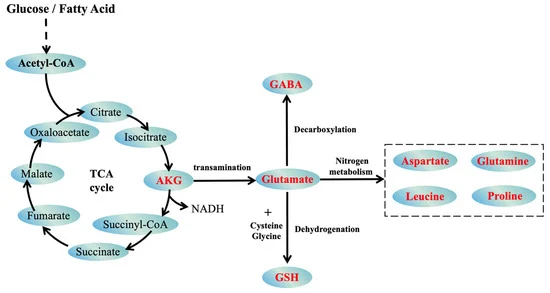
This groundbreaking article presents a unified theory of aging that integrates evolutionary biology, epigenetics, and metabolic regulation, offering a paradigm shift in our understanding of senescence. By synthesizing recent research on Horvath’s epigenetic clock, the GABA-glutamate-αKG axis, and the evolutionary layers of aging systems, the authors propose a compelling model where hormonal changes trigger the expression of short LARP1, a key orchestrator of four distinct aging systems. The theory elucidates how luteinizing hormone (LH), human chorionic gonadotropin (hCG), and follicle-stimulating hormone (FSH) differentially activate these systems, explaining gender-specific aging patterns. Furthermore, it reveals the unexpected role of SP-1 in linking sexual maturation to aging through regulation of MAO-A, MAO-B, and WRN. This comprehensive framework not only explains the acceleration of aging but also identifies novel therapeutic targets, potentially revolutionizing anti-aging interventions. By connecting hormonal changes, metabolic imbalances, and epigenetic dysregulation into a cohesive aging program, this article challenges long-held beliefs about the nature of aging and opens new avenues for extending healthspan and lifespan1.
Magnesium deficiency may serve as a key mechanism in programmed aging by impairing critical proteins and processes across the four aging systems. As magnesium levels decline with age, it disrupts Lamin A (System #1), mitochondrial function (System #2), DNA repair (System #3), and WRN activity (System #4), amplifying aging phenotypes. Short LARP1’s interference with mRNA splicing is likely exacerbated by low magnesium, further accelerating senescence. This aligns with the hypothesis that aging is a programmed process, possibly evolved to maintain genetic diversity. While speculative, this model offers a compelling framework for understanding aging and suggests magnesium supplementation as a potential intervention (Benefits of Magnesium for Seniors). Further research is needed to confirm magnesium’s role in programmed aging and its interactions with short LARP1.
Prion diseases, including bovine spongiform encephalopathy (BSE) in cattle and Creutzfeldt-Jakob disease (CJD) in humans, are characterized by the misfolding of the prion protein (PrP). Drawing from insights in “ALS Breakthrough!” by Bowles et al. (2025), which posits that amyotrophic lateral sclerosis (ALS) arises not from absolute elevations of metals like manganese (Mn) but from their ratios to magnesium (Mg), this review examines whether similar imbalances could initiate or propagate prion misfolding. Magnesium is essential for protein folding, and soil nutrient deficiencies have been noted in prion-affected animals. A deeper analysis reveals that Mn/Mg ratios, rather than isolated Mg deficiency, may contribute to prion pathology, particularly in chronic wasting disease (CWD) where elevated Mn and reduced Mg correlate with disease risk. While infectious transmission remains primary, environmental metal imbalances could act as cofactors. We conclude that isolated Mg deficiency is unlikely to cause prion diseases, but Mn/Mg imbalance warrants further investigation as a potential modulator, potentially altering conclusions for environmentally influenced prions.