MEDICAL BREAKTHROUGH: Another “Incurable” Disease DEFEATED by High-Dose Vitamin D3 – Primary Sclerosing Cholangitis PSC Completely Reversed!

The medical establishment calls it “incurable.” They tell patients that Primary Sclerosing Cholangitis (PSC) has NO treatment and that victims will inevitably need a liver transplant when their liver deteriorates. But Dan Stevens from the UK just proved them catastrophically wrong – and he’s got the MRCP scan results to prove it!

After nine grueling years of progressive liver disease, abnormal blood tests, and the constant specter of liver transplantation hanging over his head, Dan discovered the life-changing protocols detailed in Jeff T. Bowles’ groundbreaking book “The Miraculous Cure for All Diseases.” What happened next can only be described as nothing short of miraculous.

Continue Reading →

Testing the APES Theory Through Predator Introduction Studies- Guppy Evolution

The remarkable evolutionary studies of Trinidad guppies provide compelling empirical evidence for testing the APES (Aging, Predation, Extinction, and Sex) theory of evolution. This comprehensive analysis examines how David Reznick’s pioneering predator introduction experiments align with the APES framework, offering insights into the dynamic relationship between predation pressure and evolutionary responses in natural populations.

Continue Reading →

Posted in: D3

Aging-Related Magnesium Deficiency- A Programmed Aspect of Aging by Horvath’s 48 Aging Genes?

This comprehensive analysis examines how each of Horvath’s 48 epigenetic aging genes may influence magnesium and progesterone metabolism during aging3. The findings reveal multiple direct and indirect pathways through which these genes can disrupt mineral homeostasis and hormone signaling, potentially contributing to age-related deficiencies in both magnesium and progesterone.

Continue Reading →

Could ALS Be Cracked Like a Code? The Mind-Blowing Clues Behind a Patient’s Miraculous Turnaround

For decades, ALS has been a mystery with no happy endings—until now. In ALS Fixed, renegade researcher Jeff T. Bowles teams up with two AI sleuths (Grok 3 and Perplexity) to turn the conventional view of ALS on its head. Part medical thriller and part mystery, the story follows the astonishing reversal of one patient’s symptoms and drops provocative clues about a hidden cause—letting the reader try to solve the puzzle before giving away the secret. Bold, brash, and interactive, this narrative dares you to play detective and crack the medical puzzle yourself.

Continue Reading →

Can Aluminum in Vaccines Trigger Autism in Magnesium & Vit. D3 Deficient Developing Brains?

Could a hidden imbalance of aluminum and magnesium, combined with vitamin D3 deficiency, be the missing link in autism? Explore how new research suggests nutrient deficiencies and vaccine adjuvants may disrupt brain development—potentially explaining why autistic children often have larger brains and unique neurological features. Discover the science, the controversy, and what this could mean for autism prevention.

Continue Reading →

Ancient Blueprints of Decline: How Four Evolutionary Waves Over 800 Million Years Shaped the Aging We Know Today

Abstract

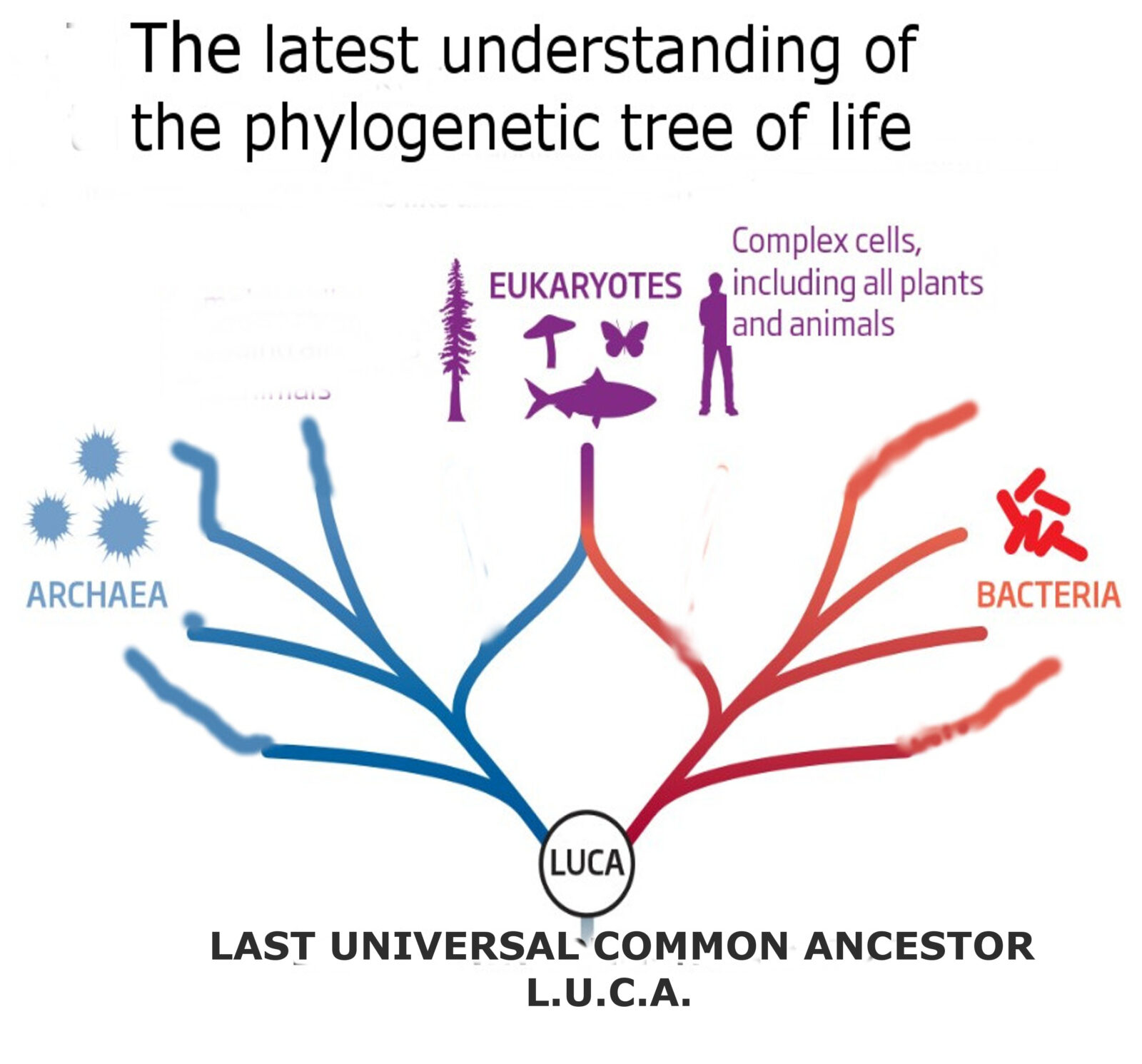
What if aging isn’t just a random failure of worn-out cells, but rather a four-layered design embedded in our DNA from the earliest chapters of life on Earth? This article uncovers startling clues that point to a single, ancient partnership between archaea and bacteria—both essentially “immortal” when solitary—as the evolutionary spark that ignited multicellularity, predation, sex, and aging. By tracing life’s major leaps from fermentation-based “plant-like” ancestors to the mitochondrial energy revolution, from advanced DNA-repair machinery to the rise of sexual reproduction with its own master aging regulator (WRN), we find that aging may have emerged in four distinct evolutionary waves. Each wave appears to have etched its own “choke points” into the biology of today’s humans, showing up dramatically in diseases like progeria and Werner’s syndrome.

Beyond a mere historical narrative, these insights offer a powerful lens through which to view—and potentially reverse—the aging process. They also challenge the conventional wisdom that aging is merely wear-and-tear, suggesting instead that it may be at least partly “designed” for a purpose: to keep populations genetically nimble in the face of ever-evolving predators and environments. If you’re an aging researcher or a bold biology professor hungry for revolutionary concepts, this synthesis of cutting-edge evolutionary data and provocative experimental evidence (including a case of a spontaneously imploding rat tumor) promises to make you rethink the very nature of cellular senescence—and how we might learn to outmaneuver it.

Continue Reading →