I have been having Ai read my books and make really good music videos about certain concepts.. please click the…
(Supplements/Hormones Available 90%+ OFF- Vitamin D3, Vitamin K2, DHEA, pregnenolone, melatonin, hyaluronic acid, resveratrol, don’t see it? Just ask). Did…
Magnesium deficiency may serve as a key mechanism in programmed aging by impairing critical proteins and processes across the four aging systems. As magnesium levels decline with age, it disrupts Lamin A (System #1), mitochondrial function (System #2), DNA repair (System #3), and WRN activity (System #4), amplifying aging phenotypes. Short LARP1’s interference with mRNA splicing is likely exacerbated by low magnesium, further accelerating senescence. This aligns with the hypothesis that aging is a programmed process, possibly evolved to maintain genetic diversity. While speculative, this model offers a compelling framework for understanding aging and suggests magnesium supplementation as a potential intervention (Benefits of Magnesium for Seniors). Further research is needed to confirm magnesium’s role in programmed aging and its interactions with short LARP1.
Prion diseases, including bovine spongiform encephalopathy (BSE) in cattle and Creutzfeldt-Jakob disease (CJD) in humans, are characterized by the misfolding of the prion protein (PrP). Drawing from insights in “ALS Breakthrough!” by Bowles et al. (2025), which posits that amyotrophic lateral sclerosis (ALS) arises not from absolute elevations of metals like manganese (Mn) but from their ratios to magnesium (Mg), this review examines whether similar imbalances could initiate or propagate prion misfolding. Magnesium is essential for protein folding, and soil nutrient deficiencies have been noted in prion-affected animals. A deeper analysis reveals that Mn/Mg ratios, rather than isolated Mg deficiency, may contribute to prion pathology, particularly in chronic wasting disease (CWD) where elevated Mn and reduced Mg correlate with disease risk. While infectious transmission remains primary, environmental metal imbalances could act as cofactors. We conclude that isolated Mg deficiency is unlikely to cause prion diseases, but Mn/Mg imbalance warrants further investigation as a potential modulator, potentially altering conclusions for environmentally influenced prions.
The remarkable evolutionary studies of Trinidad guppies provide compelling empirical evidence for testing the APES (Aging, Predation, Extinction, and Sex) theory of evolution. This comprehensive analysis examines how David Reznick’s pioneering predator introduction experiments align with the APES framework, offering insights into the dynamic relationship between predation pressure and evolutionary responses in natural populations.
Abstract
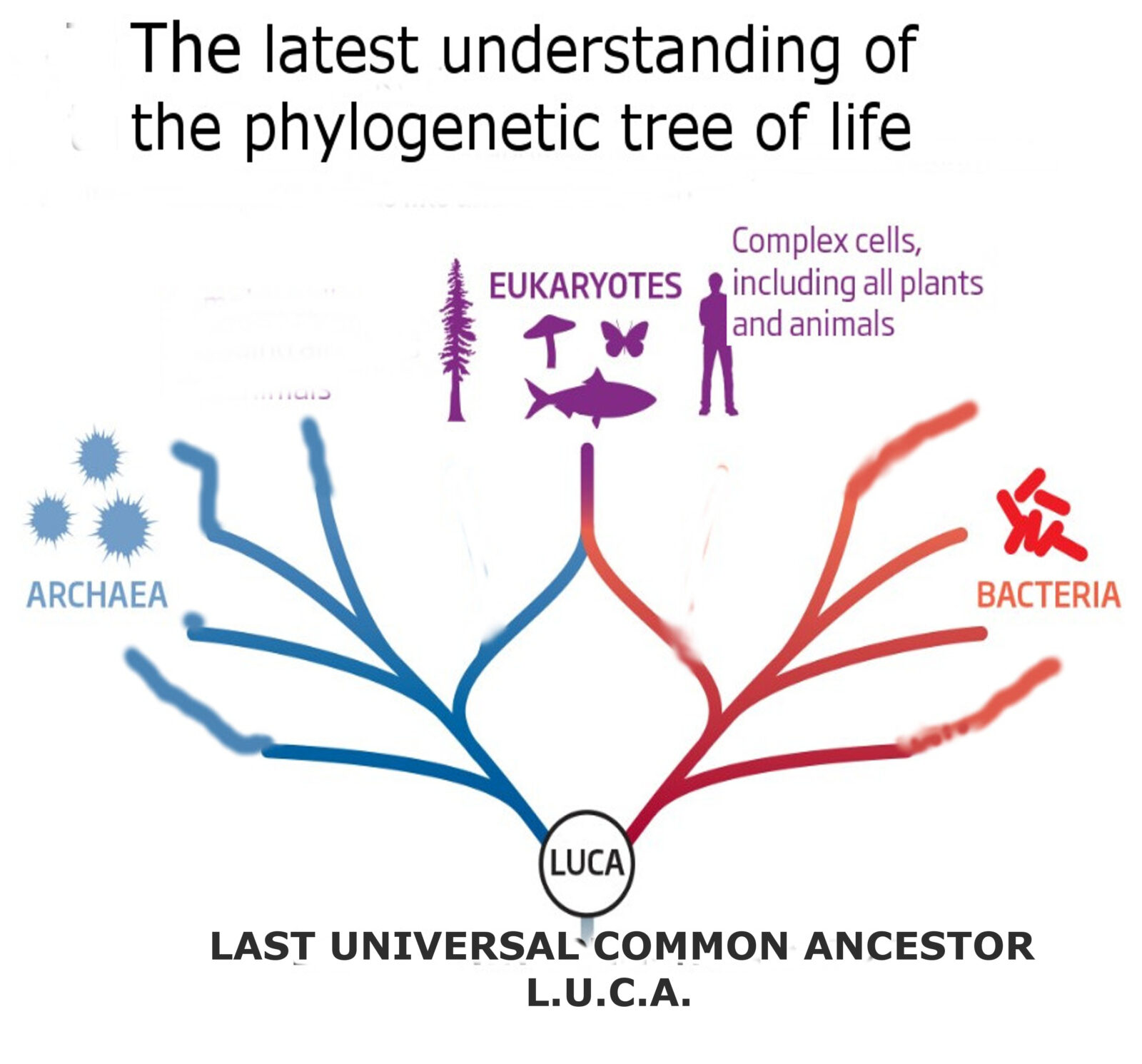
What if aging isn’t just a random failure of worn-out cells, but rather a four-layered design embedded in our DNA from the earliest chapters of life on Earth? This article uncovers startling clues that point to a single, ancient partnership between archaea and bacteria—both essentially “immortal” when solitary—as the evolutionary spark that ignited multicellularity, predation, sex, and aging. By tracing life’s major leaps from fermentation-based “plant-like” ancestors to the mitochondrial energy revolution, from advanced DNA-repair machinery to the rise of sexual reproduction with its own master aging regulator (WRN), we find that aging may have emerged in four distinct evolutionary waves. Each wave appears to have etched its own “choke points” into the biology of today’s humans, showing up dramatically in diseases like progeria and Werner’s syndrome.
Beyond a mere historical narrative, these insights offer a powerful lens through which to view—and potentially reverse—the aging process. They also challenge the conventional wisdom that aging is merely wear-and-tear, suggesting instead that it may be at least partly “designed” for a purpose: to keep populations genetically nimble in the face of ever-evolving predators and environments. If you’re an aging researcher or a bold biology professor hungry for revolutionary concepts, this synthesis of cutting-edge evolutionary data and provocative experimental evidence (including a case of a spontaneously imploding rat tumor) promises to make you rethink the very nature of cellular senescence—and how we might learn to outmaneuver it.