This report examines the hypothesis that the convergence of increased childhood aluminum exposure through expanded vaccination schedules, rising magnesium deficiency, and declining vitamin D3 synthesis due to reduced sun exposure has created optimal conditions for the dramatic rise in autism spectrum disorder (ASD) diagnoses since the 1980s. Drawing from insights gained in amyotrophic lateral sclerosis (ALS) research showing that elevated aluminum-to-magnesium ratios contribute to neurodegeneration, we propose a similar mechanism may operate in autism pathogenesis. This analysis synthesizes epidemiological data on vaccine schedules, aluminum exposure patterns, outdoor activity trends, and autism prevalence to evaluate this multi-factorial hypothesis.
I had AI do a quick summary of a very comprehensive deep dive study of Horvath’s 48 aging related genes from the first preprint of his seminal paper Universal DNA methylation age across mammalian tissues -Nature Aging August 2023- The deep dive will be available in my upcoming book on the subject
here’s what it gave us:
What follows is an overview of Stephen Horvath’s Universal Mammalian Epigenetic Aging system. This updated review:
Clarifies that Thymine DNA Glycosylase (TDG), not TET enzymes, is the primary mechanism preventing hypermethylation of these aging-related genes (TDG is α-ketoglutarate dependent).
Explains that the initial 48 genes come from Horvath’s first preprint, and subsequent revisions have added or changed several genes (including transcription factor SP1).
Highlights how SP1 ties together MAO-A/MAO-B, FAD sequestration, WRN protein expression, and a potential impact on aging processes.
Presents a CD38/NAD+ analysis of the 48 genes, discussing how some of them may influence CD38 activity, thereby modulating NAD+ levels.
Throughout, we underscore the interplay of GABA–α-KG–glutamate, the overrepresentation of splicing-related genes, and the newly emphasized roles of SP1 and MAO in driving epigenetic and metabolic shifts that contribute to aging.
My question to Grok 4- ok go over your entire analysis abut smoking vs AD again and see if there…
Abstract
Multiple lines of evidence suggest that high-dose vitamin D3 (cholecalciferol) can profoundly influence nuclear envelope integrity by modulating the expression and processing of lamin A—an essential nuclear scaffold protein that silences unneeded genes and maintains normal nuclear morphology. These effects are of particular interest in Hutchinson-Gilford progeria syndrome (HGPS), where a faulty lamin A (called progerin) drives accelerated aging, as well as in cancer cells that often downregulate lamin A to gain nuclear pliability. Recent in vitro work has shown that active vitamin D3 (1,25-dihydroxyvitamin D3 or calcitriol) reduces progerin production in HGPS cells while stabilizing critical DNA repair proteins such as BRCA1 and 53BP1, underscoring vitamin D’s broader role in genomic integrity. Furthermore, correcting lamin A deficits may force a shift from fermentative glycolysis (the Warburg effect) toward oxidative phosphorylation—supporting the metabolic theory that compromised mitochondrial function and a lax nuclear envelope go hand in hand in both cancer and progeria. This article also emphasizes the importance of supplementing vitamin K2 and magnesium when using high-dose vitamin D3 to avoid hypercalcemia.
Abstract
In this study, we unveil a universal blueprint of aging by analyzing Horvath’s 48 pivotal epigenetic aging genes alongside their prevalence in PubMed searches for key aging-related terms. Our data reveal a two-tiered genetic architecture: a core group of epigenetic “hubs” (including HDAC2, PRC2, c‐JUN, CTCF, and NANOG) that consistently surface across multiple conditions—from progeria to mitochondrial dysfunction—and a series of niche-specific genes that exhibit striking condition-targeted spikes. These findings suggest that while a handful of master regulators orchestrate the broad symphony of cellular senescence, other genes fine-tune specific pathways, such as neurodegeneration, cancer, and hormonal dysregulation. By mapping these differential patterns, our work provides a comprehensive framework that not only deepens our understanding of the molecular drivers of aging but also spotlights promising targets for therapeutic intervention. This “genetic symphony” of senescence, with its universal chords and specialized solos, offers fresh insights into the evolutionary conservation of aging processes and paves the way for innovative strategies in aging research.
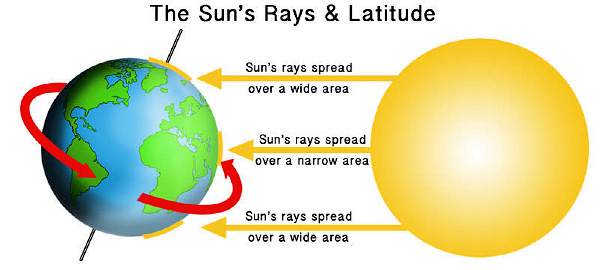

LATITUDE & THE INCIDENCE OF DISEASE: OVERWHELMING PROOF THAT VITAMIN D3 DEFICIENCY CAUSES MOST HUMAN DISEASES (Please note-.…